The 53-year-old American rapper is facing another painful family goodbye — but the story behind this loss is far more layered than it first appears. Keep reading to find out more details.
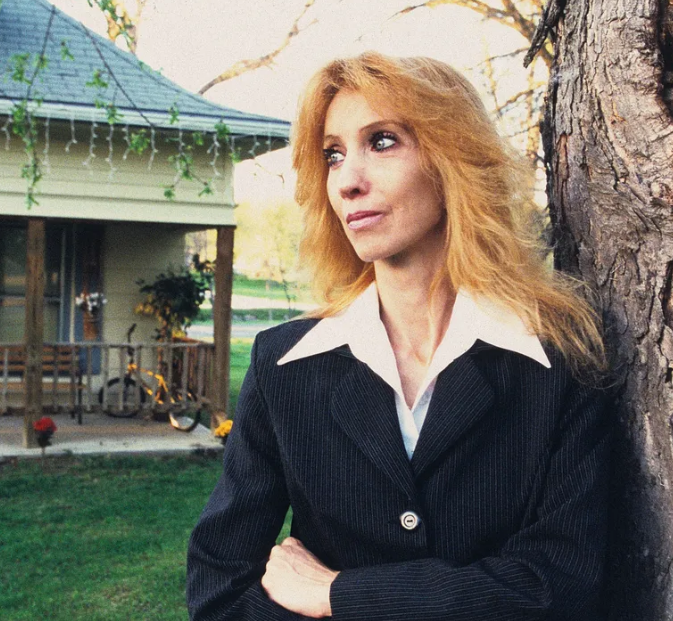
Eminem’s maternal grandmother, Betty Kresin, has died at 87, according to TMZ, closing the chapter on a family bond that was at times loving, bruising, public, and impossible to neatly define.
TMZ reported that Betty died Tuesday (March 10, 2025) at her home in Missouri from complications related to breast cancer. The outlet also reported that Eminem was not with her when she passed away.
The loss lands especially hard because it comes just over a year after another deeply personal death in the rapper’s family. Betty was the mother of Debbie Nelson, Eminem’s mom, who died in December 2024 at the age of 69 following a battle with advanced lung cancer.
That means Marshall Mathers — one of hip-hop’s most private public figures when it comes to grief — has now lost both his mother and grandmother in a little over a year. And for fans who know the family’s famously turbulent history, Betty’s death revives a relationship that was anything but simple.
At first glance, Betty largely stayed out of the spotlight while her grandson transformed into one of the most controversial and commercially successful rap stars in the world. But during the peak of his early fame, she stepped forward and said things that stunned people.
In a now widely revisited 2000 interview, Betty spoke with visible heartbreak about the grandson she felt she no longer recognized. Her words were not vague, and they were not gentle.
“Neither his mother Debbie nor I can figure out what happened to this sweet, caring youngster,” Betty said at the time. “In just over 12 years he’s gone from telling me ‘Grandma I love you,’ to ‘Go to hell.’ It just breaks my heart.”
That quote has followed the Eminem family story for decades because it captured something bigger than celebrity gossip. It showed a grandmother trying to make sense of a grandson who had become globally famous while publicly turning his private pain into music.
Betty did not stop there. She went on to say, “When I hear his vile disgusting lyrics I can’t believe this is my Marshall, the same boy who used to come and sit on my lap.”
The New York Post framed the family rupture in even sharper terms, reporting that Betty thought the hip-hop star was “real shady.”
At the time, Eminem’s music was already drawing heavy criticism for its violent, homophobic, and misogynistic themes, and Betty made clear she was disturbed by what she was hearing.
But the family drama around Eminem was never limited to one feud. His then-wife, Kim Scott, had recently attempted suicide, and his mother was suing him over lyrics and interviews, making his home life almost as scrutinized as his chart success.
That legal fight with Debbie became one of the most public and painful family battles of Eminem’s early career.
As Billboard reported in June 2001, Debbie had filed defamation lawsuits over Eminem’s statements portraying her as unstable and drug-using, and a judge later ruled that a $25,000 settlement was binding.
Tucked inside that coverage was another revealing Betty quote. “Debbie dropped the lawsuit because she wanted to try reconciling with her son. But then she’s told me she wants to bring it back, and then she doesn’t, and I don’t know what’s going on,” she expressed.
So yes, Betty criticized Eminem publicly — hard. But that is not where the story ends, and it may be the most revealing part of all.
By early 2001, Betty’s tone had shifted in a way that made the feud look less like outright rejection and more like a wounded family trying, however clumsily, to find its way back. In an interview with the BBC, she pleaded for peace.
“I want to stop this war between us because life’s too short,” Betty shared on BBC Radio 4’s Today programme. The statement now feels especially poignant in light of her death.
She also defended Eminem at a time when public condemnation of his lyrics was intense. “He’s no worse than the rest of them — I don’t like some of the lyrics myself, but this is what the people want to hear,” she mentioned, while arguing that critics were unfairly singling him out.
That same BBC interview revealed the grandmother behind the headline-grabbing quotes. Betty called Eminem a “very kind, loving, caring father” who “worships” his daughter Hailie, and said she believed fame and relentless scrutiny had deeply hurt him.
She also spoke sympathetically about his childhood, saying he grew up without his father and struggled in his early years. Betty said he tried to write to his dad as a child, only for the letters to come back, painting a sadder picture of the boy behind the persona.
Those comments matter because they complicate the easy narrative. Betty was not simply an angry relative cashing in on controversy; she seemed, at different moments, to be both deeply offended by Eminem’s words and deeply protective of him.
That contradiction appeared again in 2002, when the Irish Examiner reported that Betty was planning to write a book about the rapper.
“I want people to understand where [Eminem] comes from,” Betty revealed. “He’s following in grandma’s footsteps.”
It was an eyebrow-raising claim, but also an unexpectedly intimate one. Betty reportedly said she had been an unwanted child raised by an alcoholic grandmother and had given birth to Debbie at 16, suggesting that the family’s pain stretched back generations.
That may be the real intrigue at the center of Betty’s death: not simply that Eminem lost his grandmother, but that the woman who once publicly condemned him also seemed to understand, perhaps better than most, the chaos he came out of.
In her harshest remarks, there was heartbreak; in her softer ones, there was recognition.
Eminem’s career famously mined his turbulent upbringing, poverty, and family dysfunction for material. As The Mirror noted, those wounds helped shape the confrontational voice that made him both a superstar and a lightning rod after The Slim Shady LP and “My Name Is.”
His relationship with Debbie, meanwhile, remained a rollercoaster for years. Eminem publicly accused his mom of neglect and abuse in his early work, voicing his feelings in songs such as “Cleanin’ Out My Closet.”
Meanwhile, Debbie sued him for defamation, which in turn strained their relationship, and she also penned a memoir in 2007 titled “My Son Marshall, My Son Eminem.”
However, they later made attempts to reconcile — especially after his 2013 track “Headlights,” in which he expressed regret and apologized.
Debbie also congratulated him on his Rock & Roll Hall of Fame induction in 2022, a sign that some healing had taken place between the mother-son duo.
Now, with Betty gone too, two central figures from the most talked-about family saga in Eminem’s life are no longer here.
Beneath the rage, lawsuits, shocking quotes, and tabloid drama, there was still a grandmother who remembered a little boy named Marshall — and never quite stopped looking for him.