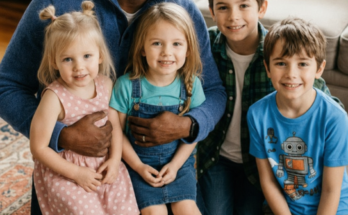
After a month of potty training, little Sophia picked out a doll as her prize. At checkout, the cashier questioned her choice because the doll didn’t “look like her.” Before I could respond, Sophia smiled and said, “She’s a doctor like I’m a doctor, and she’s pretty like me.” In that moment, I realized kids aren’t born with prejudice — they see hearts, not colors. This pure wisdom touched me deeply. If this story warmed your heart, subscribe.
After a month of determined potty training, Sophia, a bright and imaginative little girl, earned her reward: a trip to pick out a toy. She chose a doll dressed in a white coat, with a stethoscope around her neck and skin darker than her own. To Sophia, this doll wasn’t just a toy—it was a reflection of her dreams.
At checkout, a cashier glanced at the doll and asked, “Are you sure? She doesn’t look like you.”
Before her mother could respond, Sophia smiled and said, “She’s a doctor like I’m a doctor, and she’s pretty like me.”
That moment stopped time.
Sophia didn’t see race. She saw possibility. She saw beauty. She saw herself in someone who shared her ambition, not her skin tone. Her words carried the kind of wisdom adults often forget: Children aren’t born with prejudice. They see hearts, not colors.
This story, shared online, quickly went viral—resonating with parents, educators, and advocates for diversity. It reminded us that representation matters, not just for those who look like the characters, but for those who learn to love beyond appearance.
Sophia’s choice reflects a growing movement in toy design: dolls that represent all races, professions, and abilities, helping children imagine futures that are inclusive and empowering. Studies show that children exposed to diverse toys and media are more likely to develop empathy, confidence, and open-mindedness.
Sophia didn’t just pick a doll. She picked a role model. She picked hope. And she reminded the world that kindness and curiosity are natural—bias is learned.