The next morning, Caleb was waiting in my office lobby.
My assistant, Diane, looked apologetic when she called me.
“Your brother is here,” she said. “He says it’s urgent.”
I closed my eyes.
“Did he make a scene?”
“Not yet. But he’s pacing in a Patagonia vest.”
“That’s his warning sign.”
“Security is nearby.”
“Thank you. Put him in Conference Room Three.”
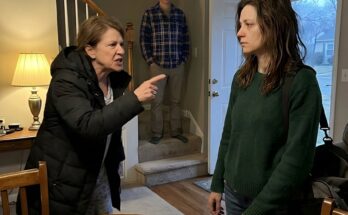
When I walked in, Caleb was standing by the window, phone in hand, jaw tight. At thirty-four, he still had the restless energy of the boy who broke things and somehow made me apologize for being nearby.
He turned as soon as I entered.
“Are you proud of yourself?”
I shut the door.
“You came to my workplace for that?”
“Our parents could lose their place.”
“They won’t lose it over one late payment,” I said. “I read their lease.”
His expression flickered.
Of course I had.
“I’m not doing legal gymnastics with you,” he said.
“Then don’t.”
“You’re punishing everyone because your feelings got hurt.”
“No,” I said. “Punishment is taking someone’s money, excluding them, and then calling them a problem for objecting.”
He scoffed.
“Nobody called you a problem.”
“That was last Thanksgiving. This time Dad said I wasn’t immediate family.”
Caleb looked away.
A small movement.
Too small for anyone else to notice.
But I noticed.
“You knew,” I said.
He crossed his arms.
“About what?”
“They changed the trip date before I called Mom.”
He exhaled hard.
“Rachel.”
“How long did you know?”
He rubbed his forehead.
“Lindsey said it would be easier.”
“Easier for whom?”
“The kids were already out of school that week. Lindsey’s husband had the time off. Mom and Dad wanted—”
“What did they want?”
He did not answer.
I leaned back.
“They wanted my money without my presence.”
Caleb’s face tightened.
“That sounds harsh.”
“That sounds accurate.”
He sat across from me, suddenly less aggressive.
“Look, I didn’t agree with how they handled it.”
“But you went.”
His mouth closed.
“You took your wife. Your children. You let me pay for your flights, your rooms, your luau seats, and your airport transfer.”
“I thought Mom told you.”
“No, you didn’t.”
He looked down.
That was the thing about Caleb. He was not as openly cruel as Lindsey, but he was soft in a more dangerous way. He did not sharpen the knife. He simply accepted the meal after someone else used it.
“My kids love you,” he said quietly.
I almost softened.
Almost.
“I love them too.”
“Then don’t do this.”
“Do what?”
“Rip everything apart.”
I studied him.
“Caleb, you let your children take a family vacation paid for by their aunt while knowing that aunt had been excluded from it. What exactly do you think is ripping the family apart? My boundary, or your silence?”
His eyes flashed.
“That’s not fair. I’ve got a mortgage. Two kids. Allison’s job is part-time. You don’t know what it’s like.”
There it was.
The old argument.
My single life as the family’s shared resource.
Because I did not have a spouse, I should pay.Because I did not have children, I should help with theirs.Because I had a high income, I should not feel the loss.Because my apartment was quiet, everyone assumed it was empty.
“I know exactly what my life costs,” I said. “That is why I don’t invoice you for it.”
He stood.
“You’ve changed.”
“No,” I said. “I’ve stopped translating disrespect into obligation.”
He stared at me for a long moment.
Then his voice dropped.
“Mom cried all night.”
I felt the pull.
The old rope around my ribs.
I pictured my mother at the kitchen table, tissues in a pile, my father pacing behind her, Caleb and Lindsey taking turns calling me cold. I knew the scene because I had starred in it from afar a hundred times.
Rachel was upsetting Mom.Rachel was overreacting.Rachel needed to fix it so the house could breathe again.
I folded my hands.
“Mom cried on a lanai in Maui too,” I said. “I saw the pictures.”
He blinked.
I took out my phone, opened the screenshot, and turned it toward him.
My mother at sunset, laughing beneath strings of lights.
Caption: Best family trip of our lives. So grateful for every moment.
Caleb looked at it, then away.
“I’m sorry,” he said.
The words were quiet.
Not enough.
But not nothing.
“For what?” I asked.
He swallowed.
“For going.”
I waited.
“For not telling you.”
I waited longer.
His jaw worked.
“For letting them make it seem like you didn’t matter.”
That one reached me.
I hated that it did.
I put the phone down.
“Thank you.”
He looked relieved too quickly.
“But I’m still not paying the rent.”
His face fell.
“Rachel—”
“I mean it.”
“What are they supposed to do?”
“Move somewhere they can afford. Use savings. Ask you and Lindsey. Sell the second car. Stop pretending retirement means luxury subsidized by the daughter they erase.”
He shook his head.
“You’re going to burn it all down.”
“No,” I said. “I’m going to stop paying the fire insurance on a house I’m not allowed to enter.”
He left without hugging me.
That hurt.
Not as much as it would have before.
By Friday, the consequences began arranging themselves.
My parents’ landlord charged the late fee.
Lindsey called me twelve times.
I did not answer.
Then she sent a message that was exactly like her: polished cruelty dressed as concern.
Lindsey: I know you’re embarrassed that your life didn’t turn out like mine, but taking it out on Mom and Dad is pathetic.
I read it in the elevator after court.
My life didn’t turn out like hers.
Her husband, Trevor, had been unfaithful twice that I knew of. Her daughter barely spoke at family dinners. Her kitchen renovation was half-paid by me. Lindsey’s designer handbags appeared whenever she was most anxious.
Lindsey’s life looked successful from across a restaurant, which was the only distance she allowed most people.
I replied.
Rachel: I’m not embarrassed. I’m unavailable.
Then I blocked her for twenty-four hours.
Not forever.
Just long enough to enjoy my weekend.
On Sunday morning, I went hiking alone outside Boulder. The air was thin and clean. My legs burned. My phone had no service for long stretches, which felt like entering witness protection.
At the top of the trail, I sat on a rock and ate an apple while clouds moved over the peaks.
For the first time since the Hawaii call, I let myself grieve.
Not the money.
The fantasy.
Because even at thirty-seven, some childish part of me had believed the vacation would be different.
I had pictured my nephew asking me to swim. My niece letting me braid her hair. My father grilling fish badly and pretending it was perfect. My mother walking beside me on the beach and maybe, under a soft enough sky, saying she was proud of me.
I had not paid $22,000 for flights and rooms.
I had paid for a chance to belong.
And they had taken the money and left me outside anyway.
I cried behind my sunglasses where no one could see.
Then I walked back down the mountain.
Monday morning, I called my bank and canceled the card I had used for “family expenses.”
The representative asked if it was lost or stolen.
I paused.
“Misused,” I said.
That afternoon, the resort called.
A manager named Keoni spoke carefully.
“Ms. Mercer, I wanted to confirm a few charges from your recent reservation.”
My pen stopped moving.
“Go ahead.”
“There were additional incidentals billed at checkout. Spa services, a private cabana, premium bar package, boutique purchases, and a second luau upgrade.”
“How much?”
“One moment.”
I already knew it would be bad.
“Seven thousand nine hundred and forty-two dollars.”
I closed my eyes.
“Charged to my card?”
“Yes, ma’am. The card was presented as authorized for the family reservation.”
Of course it was.
The original $22,000 had become nearly $30,000.
“Who authorized the additional charges?”
“Several were signed by Eleanor Mercer. A few by Lindsey Hall. One by Caleb Mercer.”
I wrote that down.
“Please send itemized receipts and signature copies.”
There was a pause.
“Of course.”
“Also, please mark my profile. No one is authorized to use my card, name, or account except me.”
“I’ll make that note immediately.”
When the receipts arrived, I stared at them for a long time.
My mother had signed for a six-hundred-dollar spa treatment and written “family wellness” beside the tip line.
Lindsey had charged a resort boutique purchase.
Caleb had signed for a private snorkeling excursion for four.
My father had ordered premium bourbon to the room and tipped with my card.
Best family trip of our lives.
I forwarded everything to my attorney friend, Marcus Bell, who handled financial disputes.
His reply came thirty minutes later.
Do you want to recover the money or make the point?
I typed back.
Both.
That Friday, my parents received a formal demand letter.
Not for the original vacation package.
For the unauthorized incidentals.
$7,942.
Seven days to reimburse.
No threats beyond the truth: if unpaid, I would dispute the charges, provide signature copies, and pursue recovery from the individuals who signed.
My mother called immediately.
I let it go to voicemail.
Her message began with tears and ended with my father yelling in the background that lawyers were for enemies.
Then Lindsey called from an unknown number.
I answered by mistake.
“You sent a legal letter to Mom?” she hissed.
“Hello, Lindsey.”
“Do you have any idea what that did to her?”
“Yes. It informed her in writing.”
“You are unbelievable.”
“No. I’m very believable. That’s why you’re upset.”
“You’re going after your own family over a spa charge?”
“I’m recovering unauthorized charges from people who used my card after excluding me from the trip.”
“You paid for the trip!”
“Not for your boutique shopping.”
She laughed coldly.
“You make partner-track money and you’re chasing receipts?”
“Yes.”
“This is why nobody wanted you there. You make everything feel like court.”
For years, that would have humiliated me.
I had been told so many times that I was too analytical, too exact, too serious, too good at remembering who said what. My family preferred feelings when they wanted money and details when they wanted to criticize.
This time, I felt nothing but clarity.
“Lindsey,” I said, “you signed luxury charges to my card after helping hide a vacation from me. Court would be an improvement.”
She went quiet.
“You wouldn’t.”
“Try me.”
She hung up.
Three days later, Caleb sent $1,860 with a note.
For snorkeling and kids’ charges. I’m sorry.
I stared at that note longer than the amount.
Then I accepted it.
My mother sent nothing.
Lindsey sent a photo.
Not directly. She posted it.
A family picture from Maui, cropped tightly under a pink sunset.
Caption: Real family is about who shows up with love, not who keeps score.
My cousin Dana screenshotted it and texted me.
Dana: Want me to fight her in the comments?
I smiled for the first time that day.
Rachel: No.
Dana: Want me to quietly tell everyone you paid?
Rachel: Not yet.
Dana: That means yes later.
Rachel: That means I’m thinking.
Dana: Dangerous.
I put the phone down and stared at Lindsey’s caption.
Who shows up with love.
I thought of every time I had shown up.
Hospital waiting rooms. Graduation checks. Last-minute babysitting during hearings. Caleb’s business crisis. Lindsey’s renovation. Mom’s dental surgery. Dad’s retirement party. Flights. Meals. Gifts. Emergencies.
I had shown up so often they stopped seeing me arrive.
That night, I opened a blank document and titled it:
Family Financial Summary — Mercer Support History
I did not plan to send it.
Not at first.
I told myself I was organizing records for my own sanity. But by midnight, I had created sections.
Direct payments.Reimbursements.Loans without repayment.Unauthorized charges.Family events funded.Emergency housing support.Vacation expenses.
Under the Hawaii section, I inserted Lindsey’s caption.
Real family is about who shows up with love, not who keeps score.
Then I added one line beneath it:
The person who paid was not invited.
The total made me feel physically ill.
Over six years, not counting small gifts or cash, I had paid $186,430.
I checked the formula three times.
Then I closed the laptop and went to bed, but I did not sleep.
The breaking point came two weeks later at my niece Ava’s graduation dinner.
I almost did not go.
Ava was Lindsey’s daughter, seventeen, sharp-eyed and quieter than the rest of them. I loved her. She had texted me privately after the Hawaii situation.
Ava: I didn’t know you weren’t told. Mom said you couldn’t get away from work. I’m sorry, Aunt Rachel.
That apology had mattered.
So when she invited me to her graduation dinner at an Italian restaurant downtown, I went.
I wore a black dress, brought a gift card and a fountain pen because Ava loved writing, and arrived exactly on time.
The table was already full.
My parents sat in the center.
Lindsey sat beside Ava.
Trevor sat beside Lindsey, looking like he wanted to be anywhere else.
Caleb and Allison were there with their kids.
There was one empty chair.
At the far end.
Near the service station.
I almost laughed.
Not because it was funny.
Because after everything, they still believed architecture could teach me my place.
Ava saw me and immediately stood.
“Aunt Rachel,” she said.
Her face lit up with genuine relief.
That was why I stayed.
I hugged her and handed her the gift.
“I’m proud of you.”
She whispered, “Thank you for coming.”
My mother watched us with red-rimmed eyes. My father did not stand. Lindsey smiled with all her teeth.
“There she is,” Lindsey said. “The family accountant.”
Ava’s smile vanished.
I placed my purse on the empty chair.
“No,” I said. “Tonight is about Ava.”
Lindsey lifted her wine glass.
“Of course. As long as no one orders anything unauthorized.”
Caleb closed his eyes.
“Lindsey,” he muttered.
“What? We all have to be careful now. Rachel might invoice us for bread.”
A few people laughed awkwardly.
Ava looked mortified.
I took my seat.
For twenty minutes, I let it go.
I asked Ava about college. She was going to Oregon for journalism. I told her she had a better eye for truth than most adults I knew. She smiled at that and glanced at her mother, who was ordering another bottle of wine.
Then the check came.
Or rather, it came to me.
The waiter placed the black folder beside my plate.
Not in the middle of the table.
Not near Lindsey.
Beside me.
I looked at it, then at my mother.
She looked away.
My father cleared his throat.
“It’s Ava’s graduation,” he said.
I opened the folder.
$1,284.76.
Of course.
I closed it again.
Then I stood.
The table quieted.
Ava looked stricken.
I smiled at her.
“This is not your fault.”
Lindsey leaned back.
“Here we go.”
I looked at the waiter.
“Could you please split this by household? My meal and Ava’s are on my card.”
The waiter blinked.
“Of course.”
My father’s face darkened.
“Sit down.”
“No.”
“You will not embarrass this family in public.”
I looked at him, and something old inside me finally died without drama.
“Dad,” I said, “this family took a nearly $30,000 vacation on my card and called it immediate family. A split check is not the embarrassment.”
A table nearby went quiet.
Lindsey’s face flushed.
“Lower your voice.”
I had not raised it.
That was the power.
I did not need to.
“Ava,” I said gently, “I’m very proud of you. I’m sorry adults are making your night uncomfortable.”
Ava’s eyes filled, but she nodded.
Then my mother whispered, “Rachel, please just pay. We can talk later.”
I turned to her.
“No.”
It was the same word as before.
But this time, it had witnesses.
My father stood so abruptly his chair scraped the floor.
“You selfish, bitter woman.”
Ava flinched.
That was when Trevor finally spoke.
“Enough.”
Everyone turned.
Trevor had been quiet for years in the way of men who survived Lindsey by retreating into work, golf, and emotional distance. He looked tired. Not angry yet. Tired.
He reached for the check folder.
“I’ll pay for my household.”
Lindsey stared at him.
“What are you doing?”
“What you should have done at the beginning.”
Her mouth fell open.
He looked at me.
“Rachel, I didn’t know you paid for Hawaii until after. I should have called. I didn’t.”
I nodded once.
“Thank you.”
Lindsey hissed, “Trevor.”
He ignored her.
Caleb raised his hand slightly toward the waiter.
“Allison and I will pay ours too.”
My mother looked betrayed.
My father sat down slowly.
Something shifted at that table.
Not everything.
Not enough.
But something.
The spell broke the way thin ice breaks: first one crack, then all at once.
The waiter returned with split checks. I paid for myself and Ava.
Outside the restaurant, Ava hugged me tightly.
“I hate this,” she whispered.
“I know.”
“They keep saying you’re tearing the family apart.”
I pulled back and looked at her.
“Families don’t come apart because one person stops overpaying. They come apart because the truth finally gets too expensive to avoid.”
She wiped her eyes.
“I don’t want to become like Mom.”
“You’re already asking that question,” I said. “That means you’re not.”
That night, Ava posted a graduation photo.
Not the whole dinner table.
Just her and me outside the restaurant.
Caption: Thank you to the person who always shows up honestly.
Lindsey made her delete it within an hour.
But I had already seen it.
That was enough.
The next month was not clean.
Boundaries rarely create instant peace. They create withdrawal symptoms in people addicted to your compliance.
My mother alternated between tearful voicemails and icy silence.
My father sent a handwritten note that said, We raised you better than this.
I did not respond.
Lindsey told relatives I was having a breakdown.
I sent no defense.
Caleb texted me twice.
First: I’m sorry about the restaurant.
Then, a week later: I talked to Mom and Dad about downsizing. It went badly.
I answered: It will go badly until it becomes necessary.
He replied: You sound like a lawyer.
I wrote: I am one.
Three months after Hawaii, my parents moved out of the townhouse.
Not because they chose humility.
Because the landlord refused to renew after two late payments and one bounced check.
They found a smaller apartment twenty minutes away.
Two bedrooms. No club pool. No wine fridge. No guest suite. Rent they could almost afford if my father stopped golfing twice a week and my mother stopped treating boutique shopping as emotional healthcare.
The first time my mother sent me a photo of the apartment, she wrote:
This is where your father and I ended up.
I studied the image.
Sunlight through blinds. Beige carpet. A normal kitchen. A vase of grocery-store flowers on the counter.
Where they ended up.
As if the apartment were a ditch.
I wrote back:
It looks safe and manageable.
She did not reply for five days.
Then came the message I had not expected.
Mom: I found the Hawaii receipts while packing.
I stared at it.
Another bubble appeared.
Mom: I didn’t realize Lindsey charged that much.
I almost threw the phone.
That was the pattern.
Responsibility arriving sideways.
Not I charged too much.
Lindsey did.
Not I excluded you.
It happened.
Not I hurt you.
You felt hurt.
I typed, deleted, typed again.
Rachel: You signed the spa charges.
A long pause.
Mom: I know.
Then nothing.
Two words.
I know.
It was the first honest sentence she had given me since “We already went last week.”
I did not forgive her.
But I did not ignore the sentence either.
Rachel: Thank you for acknowledging that.
She replied hours later.
Mom: I don’t know how to fix this.
I looked around my apartment. The quiet living room. The stack of work files on the coffee table. The plant Ava had given me after graduation, somehow still alive.
Rachel: Start by not asking me for money.
The answer came the next morning.
Mom: Okay.
It was small.
Maybe temporary.
But it was something.
Lindsey, however, was not interested in small honest things.
She preferred theater.
Four months after Hawaii, she hosted a “family healing brunch.”
That was the phrase in the email.
Family Healing Brunch — Sunday, 11 a.m.
I did not respond.
Then Ava texted.
Ava: Mom says it’s about making peace. I think it’s about ambushing you.
Rachel: I agree.
Ava: Are you coming?
Rachel: No.
Ava: Good.
At 11:46 that Sunday, Lindsey called.
I let it go to voicemail.
She called again.
Then Trevor called.
That one I answered.
“Rachel,” he said. His voice was strained. “I’m sorry. I know you didn’t want to be involved, but you need to know what’s happening.”
I sat up.
“What happened?”
“Lindsey invited everyone. Mom, Dad, Caleb, cousins. She printed your spreadsheet.”
My blood went cold.
“What spreadsheet?”
“The financial summary.”
My office seemed to tilt.
I had never sent it to her.
“How did she get it?”
“I don’t know. She said someone forwarded it. She’s using it to prove you’ve been tracking the family like you’re unstable.”
I closed my eyes.
The only people who had seen the spreadsheet were Marcus and me.
Unless…
Unless Lindsey had gone through the printed folder I brought to the graduation dinner.
I remembered leaving my purse on the chair when I went to the restroom.
Of course.
“What is she saying?” I asked.
Trevor exhaled.
“That you’ve always resented everyone. That you only gave money to control us. That you’re trying to buy moral superiority.”
In the background, I heard Lindsey’s sharp, tearful voice.
Then another voice.
Caleb.
“That’s not what this says.”
Trevor lowered his voice.
“Caleb is pushing back. So is Dana. Ava left the room.”
I stood.
“Put me on speaker.”
“Are you sure?”
“Yes.”
A second later, the sound changed.
Voices.
Plates.
A room full of people caught mid-performance.
Then Trevor said, “Rachel is on the phone.”
Silence fell.
Lindsey spoke first.
“Well. The auditor joins us.”
I walked to my window and looked out at Denver.
“No, Lindsey. The person who paid for most of what’s on those pages joins you.”
My mother’s voice trembled.
“Rachel, this is very hurtful.”
“Yes,” I said. “The numbers are hurtful.”
Lindsey laughed.
“You hear that? She doesn’t even deny it. Who makes a spreadsheet of family favors?”
“A person who finally realizes they were never treated like favors.”
Caleb’s voice came through.
“Rachel, did you mean to send that to everyone?”
“No.”
Lindsey pounced.
“So you admit it was secret.”
“It was private. Those are different.”
Dad cut in.
“You kept a ledger against your own blood.”
I inhaled slowly.
“No, Dad. I kept records because your own blood kept using my credit card.”
Lindsey snapped, “You offered!”
“For Hawaii, yes. For spa treatments, boutique purchases, bourbon service, private cabanas, no.”
A murmur went through the room.
Good.
Let it.
Lindsey’s voice rose.
“She’s making it sound like we stole from her.”
I said nothing.
The silence did the work.
My mother whispered, “Rachel.”
Then Dana’s voice entered, clear and furious.
“Wait. Rachel paid for Hawaii?”
No one answered.
Dana continued.
“You all posted ‘family trip’ photos, and she paid?”
Caleb said quietly, “Yes.”
A chair scraped.
Dana laughed once, disbelieving.
“Oh, that is disgusting.”
Lindsey snapped, “Stay out of it.”
“No,” Dana said. “I don’t think I will. You invited us to judge Rachel, right? I’m judging.”
Someone else muttered, “Twenty-two thousand?”
Trevor said, “Almost thirty with incidentals.”
That caused a louder reaction.
My father barked, “This is family business.”
Dana shot back, “Apparently not Rachel’s family business when the flights took off.”
I had never loved a cousin more.
Lindsey’s voice turned shrill.
“She makes plenty of money!”
There it was.
The confession beneath every justification.
She makes plenty.
Meaning I could not be used because I could afford to be used.
I spoke into the phone, calm and final.
“I am going to say this once. The issue was never whether I could afford the vacation. The issue was that you accepted the gift, excluded the giver, lied about it, charged more to my card, and then asked me to keep paying rent afterward.”
No one interrupted.
“I did not make this public. Lindsey did. So now that everyone has seen the numbers, keep the copy. Study it. Understand that the account is closed.”
Lindsey said, “You’re enjoying this.”
“No,” I said. “I enjoyed very little about realizing my family saw me as a bank with feelings they could overdraft.”
Then Ava’s voice appeared, small but steady.
“Aunt Rachel?”
My throat tightened.
“Yes, honey?”
“I’m sorry Mom took your spreadsheet.”
Lindsey gasped.
“Ava!”
Ava continued, louder.
“And I’m sorry they went to Hawaii without you. I wanted you there.”
That broke something in me.
Not badly.
Open.
“Thank you,” I said. “I wanted to be there too.”
Then I ended the call.
I spent the rest of the day offline.
On Monday morning, I had three messages that mattered.
One from Dana: Proud of you. Also, Lindsey blocked me. Worth it.
One from Caleb: I should have defended you sooner. I’m sorry.
One from my mother: I want to talk without asking for anything.
I did not answer my mother immediately.
I waited two days.
Then I invited her to meet at a coffee shop near my office.
Public. Neutral. No family kitchen. No inherited roles.
She arrived early, which surprised me.
My mother, Elaine Mercer, had always been beautiful in a composed, expensive way. Even with stress pulling at her face, she knew how to look like a woman who belonged wherever she sat.
But that day, she looked less certain.
No shopping bags. No dramatic scarf. No father beside her as enforcement.
Just a woman holding a paper coffee cup with both hands.
I sat across from her.
“Thank you for coming,” she said.
I nodded.
She looked down at the table.
“I did a terrible thing.”
I waited.
She swallowed.
“Hawaii. The room. The dates. Letting your father say what he said. The rent call. All of it.”
My chest tightened.
Not relief.
Suspicion.
I had learned to distrust apologies that arrived too complete.
“Why are you saying this now?” I asked.
Her eyes filled.
“Because after Lindsey printed that spreadsheet, people looked at me differently.”
There it was.
I almost stood.
Then she added, “And I realized you have felt that way for years. Looked at differently. As if you were wrong for remembering what happened.”
I stayed seated.
My mother wiped under one eye.
“I told myself you didn’t need the same things Caleb and Lindsey needed. You were always capable. Always serious. You had your work, your apartment, your independence. Lindsey needed reassurance. Caleb needed help. Your father needed peace. I told myself you were fine because it was convenient.”
The coffee shop hummed around us.
Milk steaming.
Cups clinking.
A normal world around an abnormal confession.
“I wasn’t fine,” I said.
“I know.”
“No,” I said. “You didn’t.”
She accepted that.
“No. I didn’t. But I should have.”
I looked out the window.
People passed in coats, carrying briefcases and paper cups, living lives where maybe mothers remembered to book rooms for all their children.
“Why did you exclude me?” I asked.
She closed her eyes.
“Because Lindsey asked me to.”
The answer landed with no surprise and still managed to hurt.
“She said you would make everyone tense. She said you’d judge the spending. She said the kids wanted a relaxed trip. Your father said you probably wouldn’t come anyway because of work. Caleb didn’t want conflict. And I…”
She opened her eyes.
“I agreed because it was easier to disappoint you than confront them.”
I breathed in slowly.
That was the clearest description of my childhood I had ever heard.
It was easier to disappoint Rachel.
My mother reached across the table, then stopped before touching my hand.
“I am sorry.”
I did not move.
“I believe you,” I said.
Hope flickered in her face.
“But I need you to understand something. I’m not going back to the role I had.”
The hope dimmed.
“What role?”
“The one where you hurt me, regret it, cry, and I prove I forgive you by paying for something.”
She flinched.
“I don’t want your money.”
“Good.”
“I want my daughter.”
My throat tightened despite myself.
I hated that I wanted to believe her.
“So did I,” I said.
She covered her mouth.
The conversation lasted forty minutes.
At the end, there was no hug.
Not because I wanted to be cruel.
Because my body did not want one yet.
My mother asked if she could call me in a week.
I said she could text first.
She nodded.
That was how new things began sometimes.
Awkwardly.
With rules.
My father took longer.
He did not apologize at first.
He sent articles about adult children abandoning parents.
He told Caleb I had become “hard.”
He told Dana I had always thought I was better than everyone.
Dana told him he was welcome to test that theory by paying his own rent.
I sent her flowers.
Then, in December, my father had a mild heart scare.
Not a heart attack.
A warning.
Caleb called me from the hospital.
My first instinct was old and immediate.
Keys. Purse. Drive.
Then I stopped.
“Is he stable?” I asked.
“Yes.”
“Is Mom there?”
“Yes.”
“Are you?”
“Yes.”
“Then I’ll come after work.”
Caleb went quiet.
“Okay.”
I did go.
At six.
Not at noon.
Not abandoning clients, deadlines, and myself to prove I was a good daughter in a hallway.
When I arrived, my father looked smaller in the hospital bed. Men like him age suddenly under fluorescent lights. Without his recliner, his garage, his table, his voice had fewer places to echo.
My mother sat beside him.
Caleb stood by the window.
Lindsey was not there.
That surprised me, though it shouldn’t have.
Dad looked at me when I entered.
For once, he did not start with command.
“Rachel,” he said.
“Dad.”
I stood near the foot of the bed.
Not close enough for performance.
Not far enough for cruelty.
He looked at Caleb.
“Give us a minute.”
Caleb hesitated, then left with Mom.
The room became painfully quiet.
Dad picked at the hospital blanket.
“I didn’t have a heart attack.”
“I know.”
“Doctor says I need less stress.”
“That seems wise.”
He gave me a sharp look.
A weaker version of the old one.
Then it faded.
“I said something ugly to you.”
I waited.
His jaw worked.
“About Hawaii. About family.”
I did not help him.
He had taught me stubbornness. It seemed fair to let him meet it.
He swallowed.
“I said it was only for family.”
“Yes.”
His eyes reddened.
“I was angry.”
“No,” I said. “You were comfortable. That was worse.”
He looked away.
For a moment, I thought the conversation was over.
Then he whispered, “I was ashamed.”
That surprised me.
He rubbed one hand over his face.
“Your mother told me Lindsey wanted to change the dates. I knew you’d paid. I knew you were supposed to join after Seattle. I told myself you’d understand. Then when you called, I heard myself defending something I knew was wrong.”
He looked at me.
“And instead of admitting that, I made it worse.”
My chest hurt.
“I don’t know how to talk to you anymore,” he said.
“You could start with the truth.”
He nodded slowly.
“The truth is I liked that you could afford things. I liked not worrying. I liked bragging about you when it suited me and letting your mother manage the parts where you got hurt.”
That was the closest my father had ever come to confession.
I gripped the footboard.
“And did you think I was family?” I asked.
His face crumpled in a way I had never seen.
“Yes,” he said. “But I didn’t treat you like it.”
I looked down.
For years, I had wanted him to say something like that.
Now that he had, it did not fix the years.
But it opened a window in a room I thought had no air.
“I’m not paying your rent,” I said softly.
To my shock, he almost smiled.
“I know.”
“I’m not funding vacations.”
“I know.”
“I’m not letting you use guilt as a payment method.”
His eyes closed briefly.
“I know.”
I nodded.
“Then maybe we can talk.”
He cried then.
Not loudly.
My father did not know how to cry loudly.
But tears slipped into the lines beside his nose, and he looked furious at them.
I handed him a tissue.
He took it.
That was our first honest exchange in years.
A year after Hawaii, we had our first family gathering under new rules.
It was Ava’s idea.
Not Lindsey’s.
Not my mother’s.
Ava invited everyone to a backyard barbecue before she left for Oregon. The invitation was clear.
Everyone pays or brings something.No surprise expenses.No speeches about unity.No fighting.If you start, you leave.
I almost framed it.
I brought dessert.
Caleb grilled.
My father sat in a folding chair and did not command the yard.
My mother helped Ava arrange paper plates.
Lindsey arrived late, alone. Trevor had moved out three months earlier. The divorce had not been filed yet, but it was already living in their house like another person.
Lindsey looked thinner. Still beautiful. Still sharp. But less polished around the edges.
She avoided me for the first hour.
Then she found me near the cooler.
“Rachel.”
I closed the lid.
“Lindsey.”
She held a plastic cup of lemonade like it might defend her.
“Ava says I need to apologize.”
“That sounds like Ava.”
Lindsey’s mouth tightened.
“I hate that she likes you better.”
There it was.
Honest, ugly, almost refreshing.
I leaned against the fence.
“She doesn’t like me better. She trusts me differently.”
Lindsey looked toward her daughter, who was laughing with Caleb’s kids near the picnic table.
“I was so angry when she posted that picture of you.”
“I know.”
“I thought you were taking her from me.”
“No,” I said. “You were afraid she saw me clearly.”
Lindsey looked back at me.
Her eyes were wet, but her voice stayed hard.
“You always had that. Clarity. It makes people feel stripped.”
“That’s not always a bad thing.”
“It is when you’ve spent your whole life decorating the lie.”
For the first time in years, I saw my sister without the armor.
Not kind.
Not safe.
But visible.
She set the lemonade down on the fence rail.
“I knew about Hawaii. I pushed for it. I said you’d make everyone feel judged. I said you’d probably work the whole time. I said since you paid, at least the trip should be relaxing for the rest of us.”
The words hurt.
But not like before.
Before, they would have made me wonder what I had done to deserve exclusion.
Now they only confirmed the invoice.
“Why?” I asked.
Her laugh came out broken.
“Because around you, I always feel like a fraud.”
I said nothing.
She wiped one eye angrily.
“You don’t even try to be impressive. You just are. You know things. You remember things. You make money that’s yours. You don’t need Trevor, or Mom, or Dad, or a perfect kitchen. You stand there in your boring suits and make everyone feel like the truth is already in the room.”
I stared at her.
All those years, I had thought Lindsey saw me as less.
Maybe she had.
Maybe envy and contempt were just two hands around the same throat.
“That doesn’t excuse what you did,” I said.
“I know.”
“Do you?”
She looked down.
“I’m starting to.”
Ava called her from the patio then.
Lindsey turned to go, then stopped.
“I’m sorry,” she said, not looking at me. “For Hawaii. For the restaurant. For the spreadsheet. For making you pay to stay close to us and then acting like you were pathetic for wanting to.”
That one hit deep.
I had to look away.
“I’m not ready to be close,” I said.
“I know.”
“But I’m glad you said it.”
She nodded once and walked back to her daughter.
No hug.
No music swelling.
No perfect sisterly reconciliation beneath summer lights.
Just one true thing placed carefully on the ground between us.
Sometimes that is enough for a beginning.
Two years after Hawaii, I made partner.
This time, I did not wait for my family to decide whether it mattered.
I threw my own dinner.
Private room. Good restaurant. Twenty people.
Colleagues, friends, Dana, Ava home from college, Caleb and Allison, my parents, even Lindsey.
Everyone paid attention.
No one asked me to cover the whole bill.
Near the end of dinner, my father stood.
My entire body tensed.
He held up one hand.
“Not a speech,” he said.
Dana muttered, “Thank God.”
People laughed.
Dad looked at me.
“I just want to say something I should have said years ago. Rachel, I’m proud of you.”
The room went quiet.
He cleared his throat.
“Not because you made partner. Though that’s very impressive. I’m proud because you became someone who tells the truth even when it costs you. And I’m sorry I made it cost so much.”
My mother began crying softly.
I stared at my father.
The old me would have rushed to rescue him from the discomfort of his own admission.
The woman I had become simply let the words stand.
“Thank you,” I said.
It was enough.
After dinner, Ava hugged me outside the restaurant.
“You know,” she said, “Hawaii is kind of family legend now.”
I groaned.
“That’s unfortunate.”
“No, in a good way.”
“How could that possibly be good?”
She grinned.
“Whenever someone tries to pressure someone into paying for something, Caleb says, ‘Careful, that sounds like Maui math.’”
I laughed so hard I nearly cried.
For years, pain had been the family language.
Now, sometimes, truth became a joke we could survive.
That felt like progress.
Three years after Hawaii, my mother asked if I would take a trip with her.
Just us.
No father. No siblings. No grandchildren. No family group chat.
She sent the message carefully.
Mom: I know travel is complicated because of what happened. I would like to invite you to Santa Fe for a weekend if you’re open to it. I will pay for my room. You pay for yours. No pressure.
No pressure.
Those two words did more than she knew.
I waited a day before answering.
Rachel: I’m open to it. Separate rooms. Clear plans. No surprises.
Mom: Agreed.
We went in October.
The desert was gold and red and wide enough to make old arguments feel briefly small. We visited galleries, ate too much green chile, and walked through a market where my mother bought silver earrings from a woman who told stories with her hands.
On the second night, we sat outside under a sky full of stars.
My mother wrapped her shawl tighter around her shoulders.
“I thought motherhood would feel more natural,” she said.
I looked at her.
That was not what I expected.
She kept her eyes on the firepit.
“My mother was hard on me. Very hard. I promised myself I would be softer. I think I mistook avoiding conflict for softness.”
I let the words settle.
“With Lindsey,” she continued, “I managed her feelings because they were loud. With Caleb, I excused him because your father did. With you, I took from you because you kept giving. I told myself that meant you were fine.”
The flames shifted between us.
“I wasn’t fine,” I said.
“I know.”
This time, when she said it, I believed she understood more than before.
She turned to me.
“I don’t expect us to become what we should have been.”
That sentence made my throat ache.
“What do you expect?”
“To be allowed to know you now. If you want that too.”
I looked up at the stars.
I thought of Maui. The phone call. The rent. The spreadsheet. The hospital. The barbecue. The years it had taken to arrive at a conversation where no one was asking me for anything.
“I want to try,” I said.
My mother nodded.
She did not touch me.
That was how I knew she had learned.
On the flight home, I realized I had not paid for belonging that weekend.
I had simply been present.
And my presence had been enough.
Four years after Hawaii, my family planned another vacation.
Not Maui.
A lake house in Michigan.
A shared spreadsheet went out six months in advance. Everyone entered their own budget. Everyone paid their own portion directly.
Ava added a column titled: No Secret Exclusions Because We Are Not Villains.
Caleb added: Maui math prohibited.
Dana added: I will fight anyone who edits Rachel out.
Even Lindsey added one line: Rachel gets first pick of rooms because we owe the universe balance.
I stared at the spreadsheet for a long time.
Then I laughed.
Not because everything was healed.
Because some things had changed enough to become funny.
At the lake house, I arrived last because of work.
When I pulled into the driveway, the porch light was on.
Ava ran out first.
Caleb’s kids followed.
My mother came to the door.
My father stood behind her.
Lindsey leaned against the railing, arms crossed, pretending she had not been watching the road.
I got out of the car.
For one absurd second, no one moved.
Then my father called, “Rachel, your room’s upstairs. Best view. Your mother checked twice.”
My mother smiled, nervous but proud.
Lindsey lifted a hand.
“Don’t worry. We didn’t go last week.”
Everyone groaned.
I laughed despite myself.
And just like that, the old wound lost another inch of power.
My room overlooked the lake.
There was a small card on the pillow in Ava’s handwriting.
Reserved for Aunt Rachel.Fully paid.Fully family.
I sat on the bed and cried.
Quietly.
Not because I was hurt.
Because for once, the tears had somewhere safe to go.
That evening, we ate dinner outside.
Nothing fancy. Burgers, corn, salad, too many chips.
No one sat me at the edge.
No one handed me the bill.
At sunset, my father asked if I wanted to walk down to the dock. I almost said no out of habit. Then I said yes.
We stood side by side while the lake darkened.
He put his hands in his pockets.
“I think about that sentence a lot,” he said.
I did not ask which one.
Only for family.
“I can’t take it back,” he said.
“No.”
“I wish I could.”
“I know.”
He looked at me.
“You think we’re family now?”
I watched the water.
Family had once meant obligation so heavy it felt like debt. Then it meant exclusion. Then it became a word I refused to let anyone use as a weapon.
Now, maybe, it meant something smaller.
People trying.
People paying their own way.
People remembering your room.
People learning not to call love a bill.
“I think we’re learning how to be,” I said.
Dad nodded.
“That’s fair.”
Behind us, laughter rose from the porch. Lindsey was arguing with Caleb about whether hot dogs counted as sandwiches. My mother was telling Ava where to find extra blankets. Dana was threatening to make a group chat called “Maui Survivors.”
For the first time in years, the sound did not make me tense.
The next morning, I woke early and made coffee before anyone else was up.
The lake was covered in mist.
I took my mug outside and sat on the dock with my feet tucked beneath me.
Ava joined me ten minutes later, wrapped in a sweatshirt.
“Couldn’t sleep?” she asked.
“Habit.”
She sat beside me.
“I’m glad you came.”
“Me too.”
She leaned her head on my shoulder.
“Do you forgive them?”
I looked across the water.
That question used to feel like a demand.
Now it felt like curiosity.
“Some days,” I said. “In pieces.”
Ava nodded.
“That makes sense.”
“Forgiveness isn’t pretending Maui didn’t happen. It’s being able to sit here without letting Maui sit between us.”
She smiled faintly.
“That’s a very lawyer answer.”
“It’s also true.”
We watched the mist lift.
Later that week, we took a family photo on the dock.
Not matching linen.
No staged luau.
No caption about perfect family.
Just windblown hair, uneven smiles, Caleb’s youngest making a face, my father squinting, my mother reaching for my hand at the last second.
I let her take it.
The photo was imperfect.
That was why I liked it.
A month after the lake trip, I printed it and put it on my desk.
Beside it, I placed the framed photo of myself from the old closing, the one where I held the grocery-store cake alone.
Both mattered.
The woman who celebrated herself when no one came.
And the woman who eventually returned to a family that had learned, slowly and painfully, that love without respect was just another debt.
On the fifth anniversary of the Hawaii call, I received a package from Ava.
Inside was a small wooden sign, hand-painted in blue.
ONLY FOR FAMILY
Underneath, in smaller letters:
So we finally learned what family means.
I laughed for a full minute.
Then I hung it in my home office.
Not as bitterness.
As evidence.
Because that sentence had once been used to erase me.
Then I used it to free myself.
And somehow, after consequences, apologies, repayment, distance, therapy, arguments, smaller apartments, split checks, and one properly booked lake house, the sentence changed shape.
Only for family no longer meant who could take from me.
It meant who respected my no.
Who saved me a room.
Who told the truth when it cost them.
Who understood that money could buy tickets, rooms, and ocean views, but never the right to humiliate the person paying.
Sometimes people ask me whether cutting them off was worth it.
They expect a dramatic answer.
They expect me to say yes because everyone suffered, or no because forgiveness is noble.
The truth is simpler.
Cutting them off did not destroy my family.
It revealed it.
Some parts cracked.
Some parts fell away.
Some parts, once exposed to daylight, began to grow differently.
And me?
I stopped paying admission to a table where my seat was never guaranteed.
That was the real vacation.
Not Maui.
Not the lake.
Not Santa Fe.
The real vacation was waking up one morning and realizing I no longer had to earn a place in my own life.
The next time my mother called about a trip, she began with the words, “Your room is booked under your name, and I paid the deposit myself.”
I smiled.
“Good,” I said.
There was a pause.
Then she asked gently, “Will you come?”
I looked at the wooden sign on my wall.
Only for family.
This time, the words did not hurt.
“Yes,” I said. “Send me the details.”
And when I arrived, there was a key waiting for me.
Not borrowed.
Not conditional.
Not paid for with silence.
Mine.